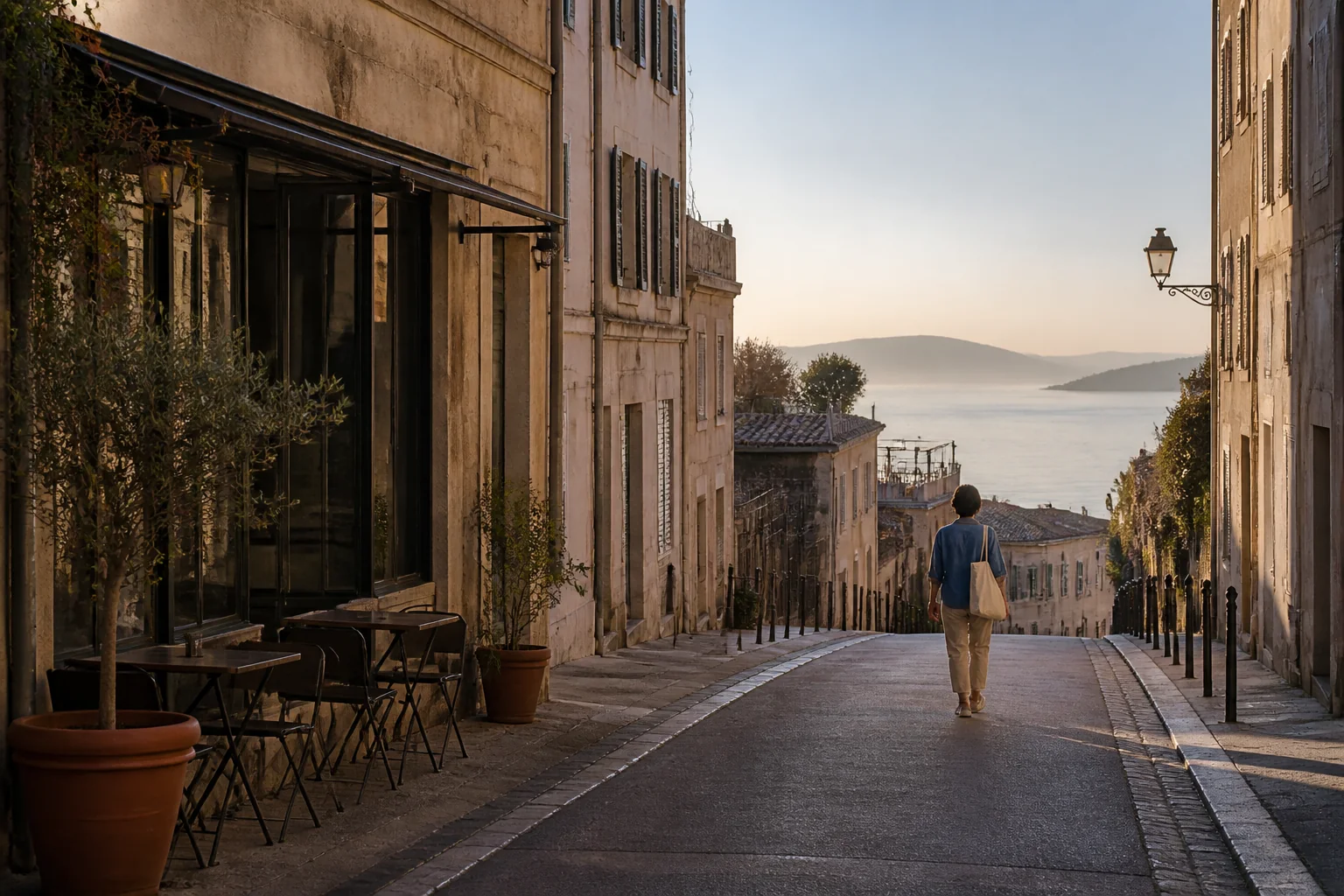
Lay out everything you think you need, then remove the duplicate versions. Keep one proper layer, one pair of shoes you trust and one useful spare.
Packing light is often presented as a test of discipline. The small bag becomes the prize, and every extra T-shirt is treated like a character flaw.
A better bag is simply one that does not get in the way. It should fit the journey, leave a little space for what you find and avoid making you choose between a clean top and a dry one.
Write the real brief
Start with the actual days. How many nights? How much walking? Is there a dinner that needs a different collar? Will the weather require a shell? Will you be carrying the bag between a station and a room without a taxi to rescue the plan?
Most packing lists fail because they describe an imaginary version of the trip. They include a special outfit, a backup special outfit and equipment for an activity that may never happen. The real brief is usually quieter.
Build a small system
- Choose a base colour. Fewer clashes make a small wardrobe feel much larger.
- Pack one useful layer. It should work on the journey, outside and over the clothes you brought.
- Use one pair of main shoes. If they can walk, travel and look right at dinner, they have earned the space.
- Keep the small things together. Cables, medication, earplugs and keys should live in one pouch, not at the bottom of the bag.
Allow one spare
Leave room for a bad forecast, a spill or the fact that you are not a machine. One spare top is sensible. One spare version of every item is how the bag becomes an argument.
The trade-off is repetition. You may wear the same trousers twice. Nobody worth talking to will care, and you will move through the station with more ease. Travel gets better when the bag becomes background.
Pack for the day you are having, not the person you might become on holiday.
Take enough, leave a little room and let the trip provide some of the detail.